
What Does Microblading Look Like After 5 Years?
Understanding Long-Term Results of Microblading
Five years post-microblading, clients often observe certain transformations in their brows, influenced by factors like type of ink pigments used, skin type and care regimen. After five years, some microblading may show moderate fading on some people, leaving a shadow or remnants of ink pigment. While the overall shape of the eyebrows may be present, a hue shift might occur, altering the original color to a warmer or cooler hue. Key observations include:
- Fading of Pigment: A natural and expected change, the brows' intensity and definition gradually decrease over time. This fading is influenced by variables such as sun exposure and skincare routines.
- Subtle Color Shifts: Dramatic color changes are uncommon with modern microblading pigments and techniques. Clients might notice slight shifts towards warmer or darker tones, rather than drastic alterations.
- Skin Type Impact: The rate of fading can vary; oily skin or skin with a high turnover rate may see quicker fading, while drier skin might hold the pigment longer.
- Touch-Ups: Periodic touch-ups every few years can refresh and maintain the desired appearance, allowing for necessary adjustments in shape and color.
Understanding Long Term Color Tone Shifts in Microblading: The Role of Ink Composition
- Ink Composition and Fading: Microblading inks are composed of various pigment components, each with a unique rate of fading. Over time, some colors may fade faster than others, leading to shifts in the overall tone.
- Color Theory in Microblading: The principles of color theory apply to how pigments interact with skin and each other. For example, as certain color components fade, the remaining dominant pigments can give the appearance of a shift towards different tones.
- Pigment Stability: High-quality microblading pigments are formulated to offer greater stability and consistency over time. Choosing these pigments can help in reducing dramatic shifts in color, but can never completely eliminate them.
- Individual Skin Chemistry: Each person's skin has unique characteristics that can influence how pigments are absorbed and retained, affecting the long-term appearance of microblading.
Addressing Over-Saturation and Longevity
In some cases, over-saturation of pigment or insufficient fading may necessitate considering laser removal, especially when touch-ups can't fully correct these issues. This is particularly relevant if the pigment develops an undesired hue or doesn't fade as expected over time. Laser removal can be a safe and effective way to remove unwanted microblading pigment, especially for those seeking to return to their natural brow state or correct unsatisfactory results. It's crucial for clients to consult with experienced professionals to understand the implications, process, and aftercare of laser removal.
Pigment doesn't sit loose in your skin. Within days of the procedure, some of it is shed with the surface layer or carried off through the lymphatic system, which is most of why brows soften over the first year. The remaining pigments are taken up and held inside dermal immune cells called macrophages, which is why a shadow can persist years after the visible strokes are gone.
Understanding the Diversity of Microblading Results Over Time
We cannot overemphasize the
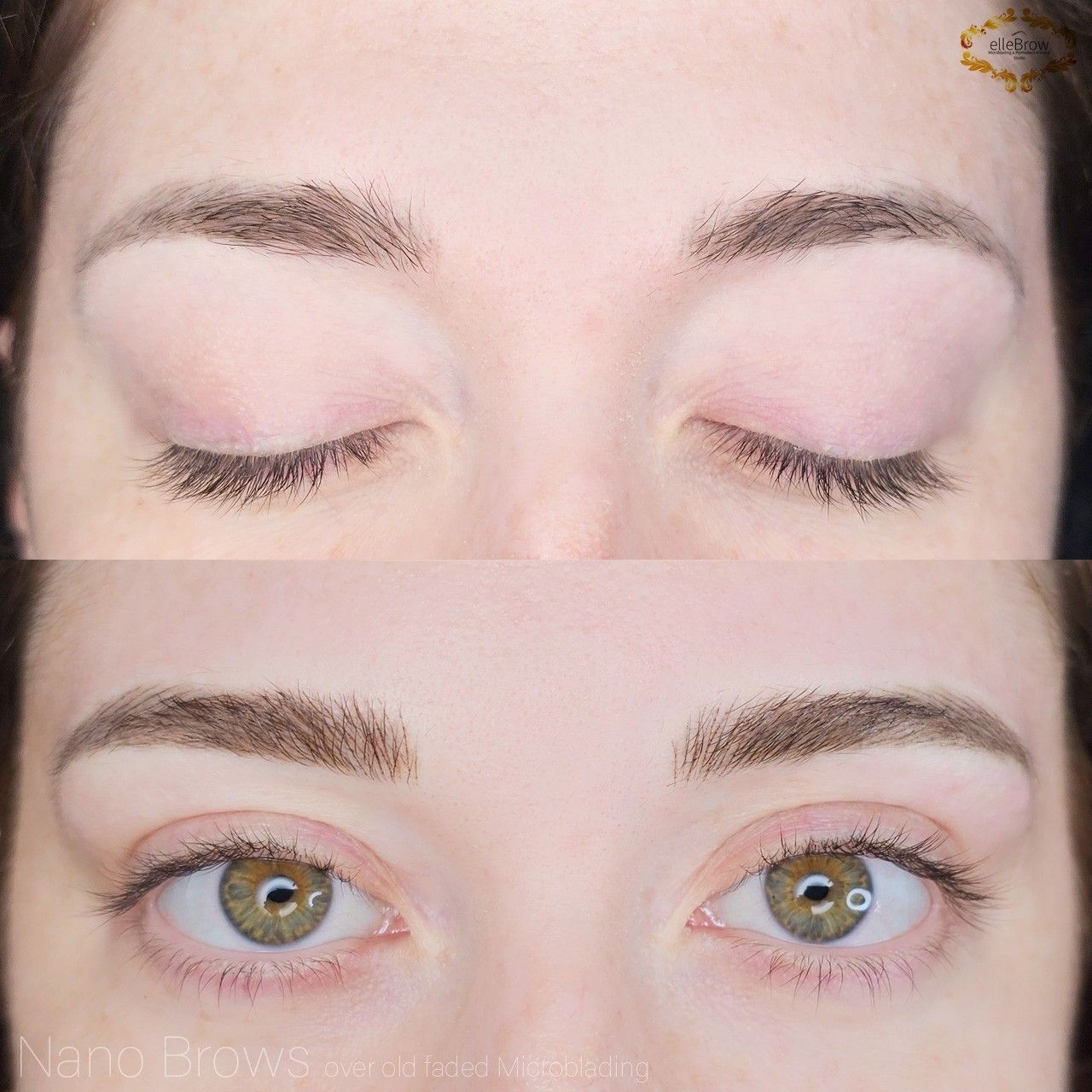
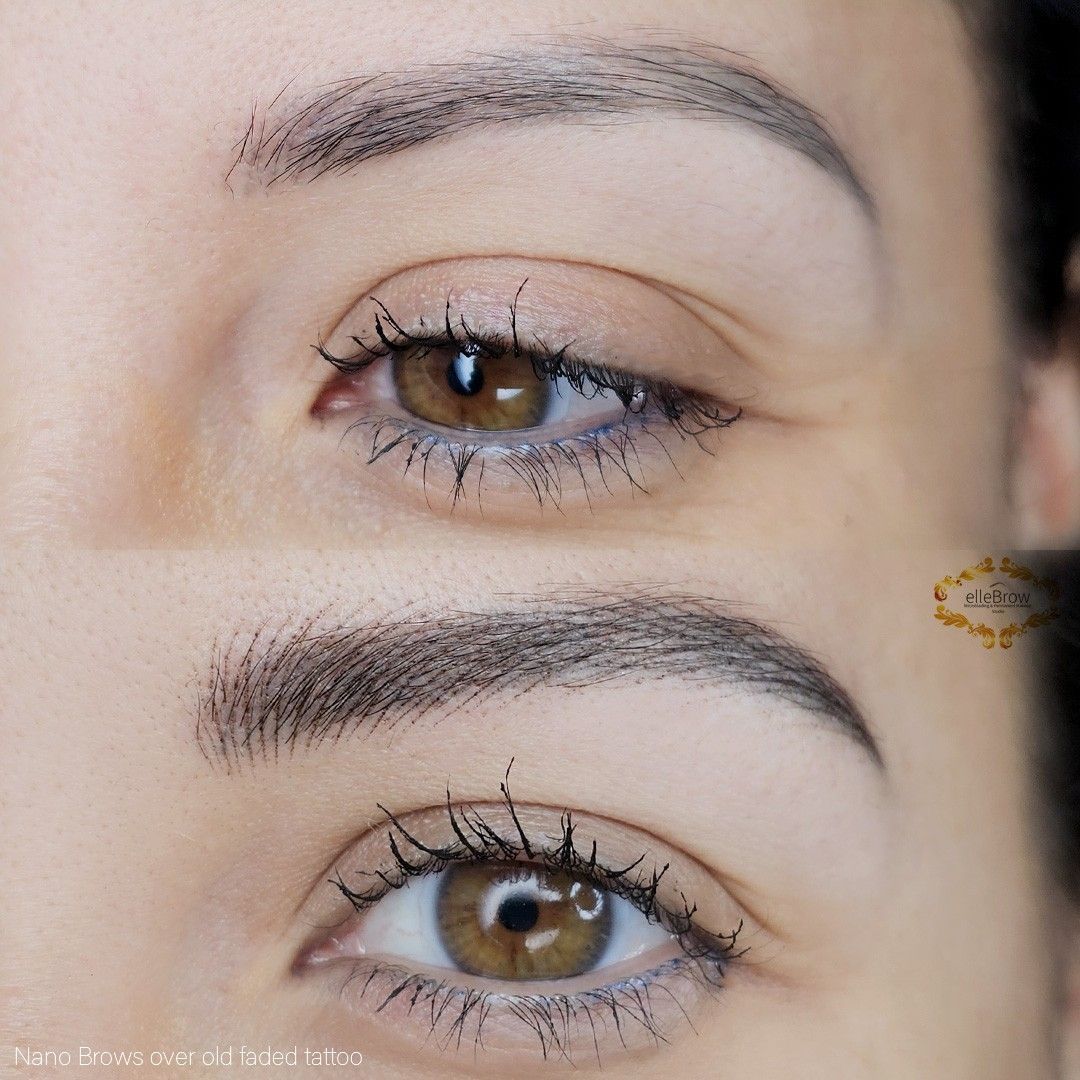
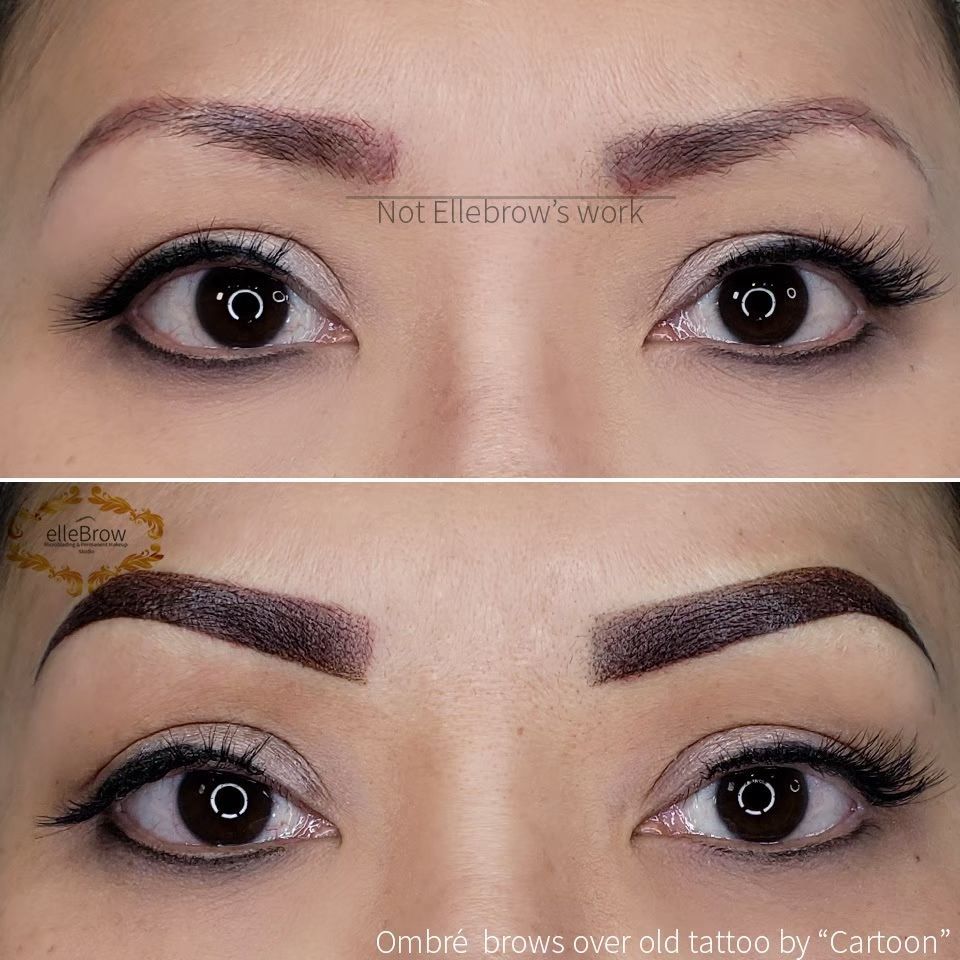
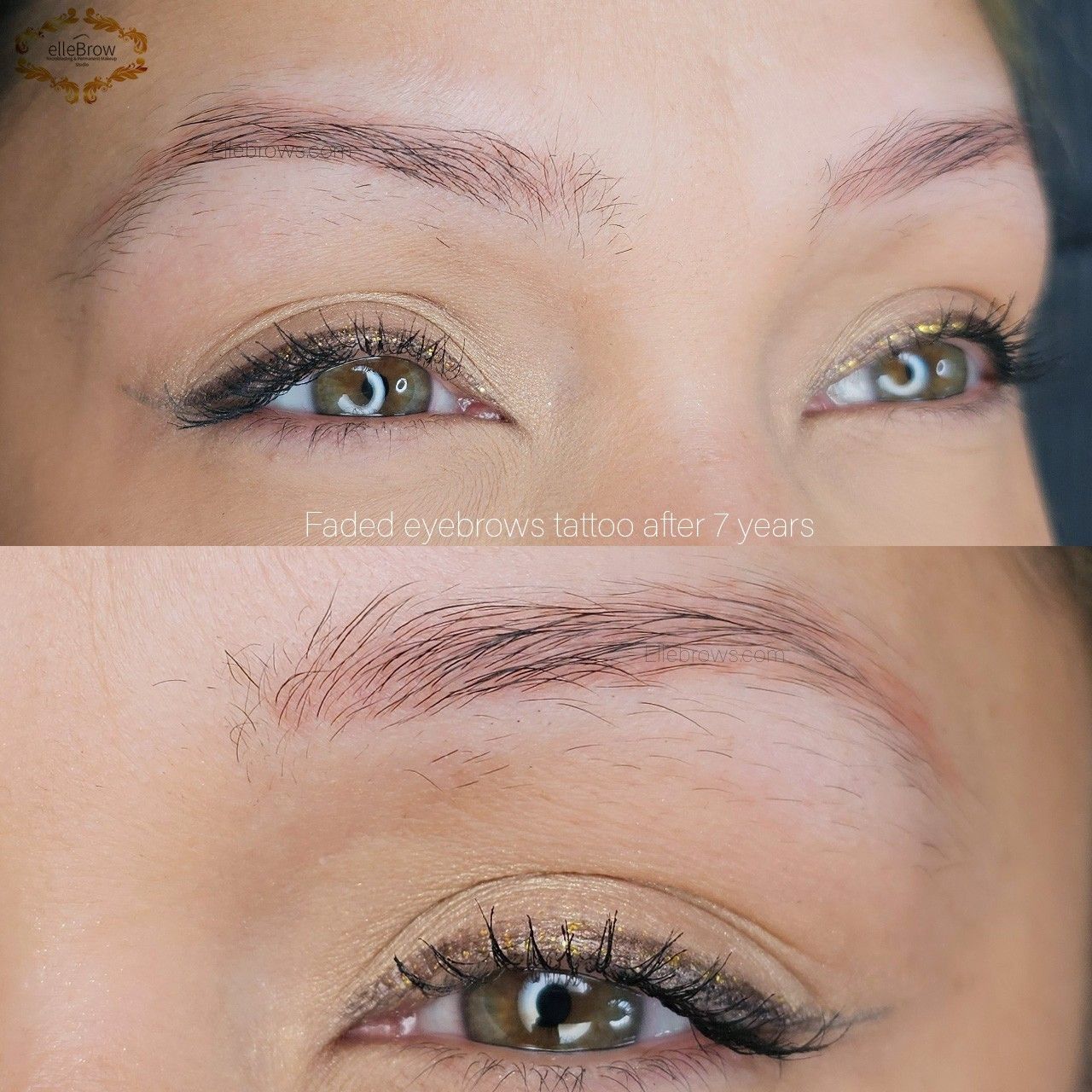
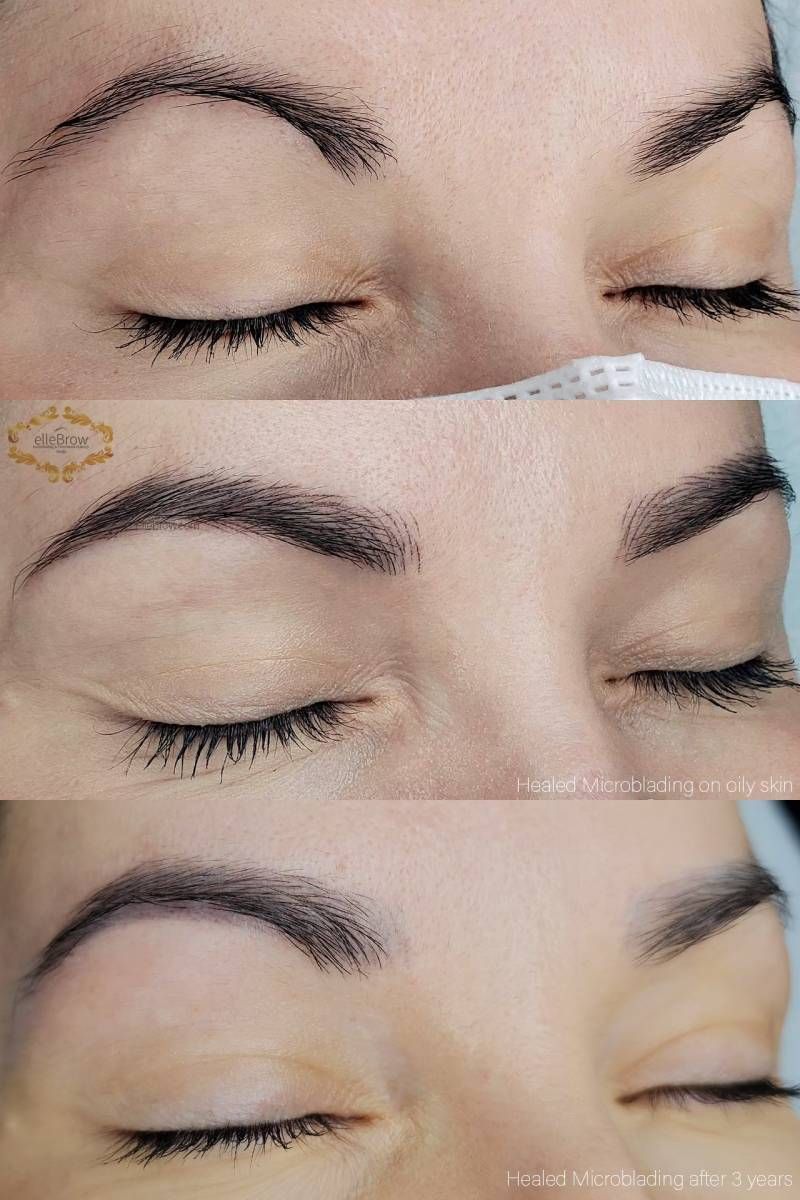
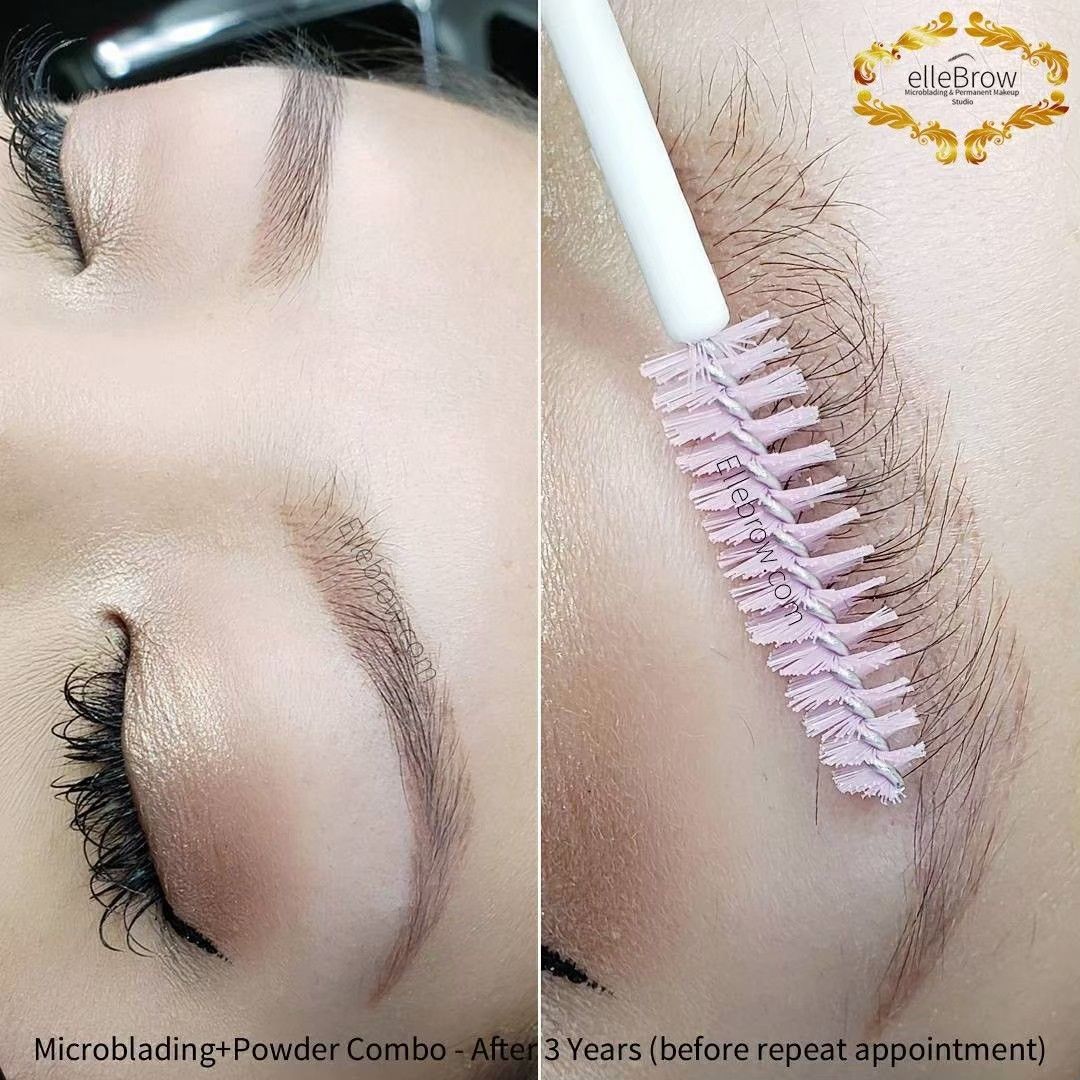
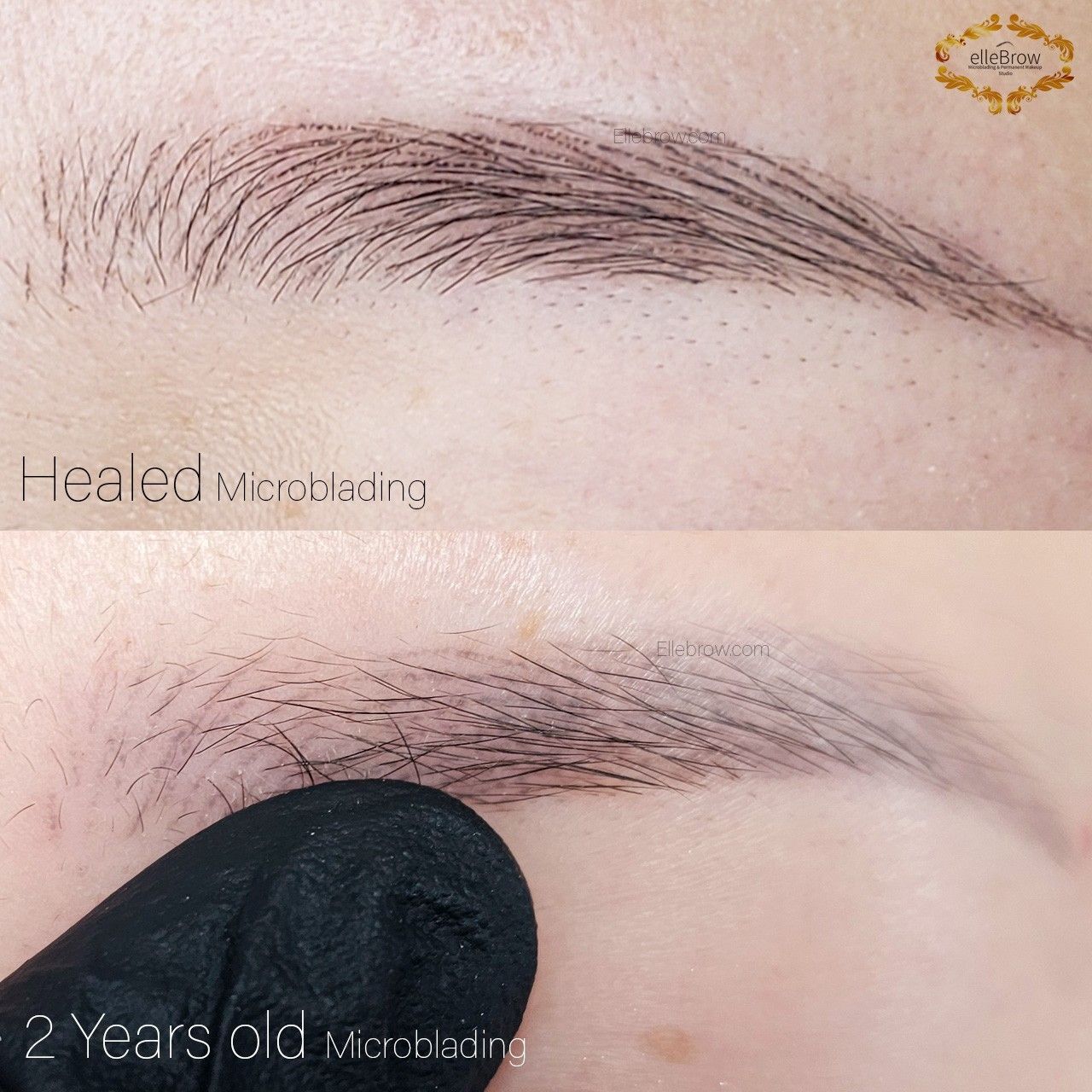
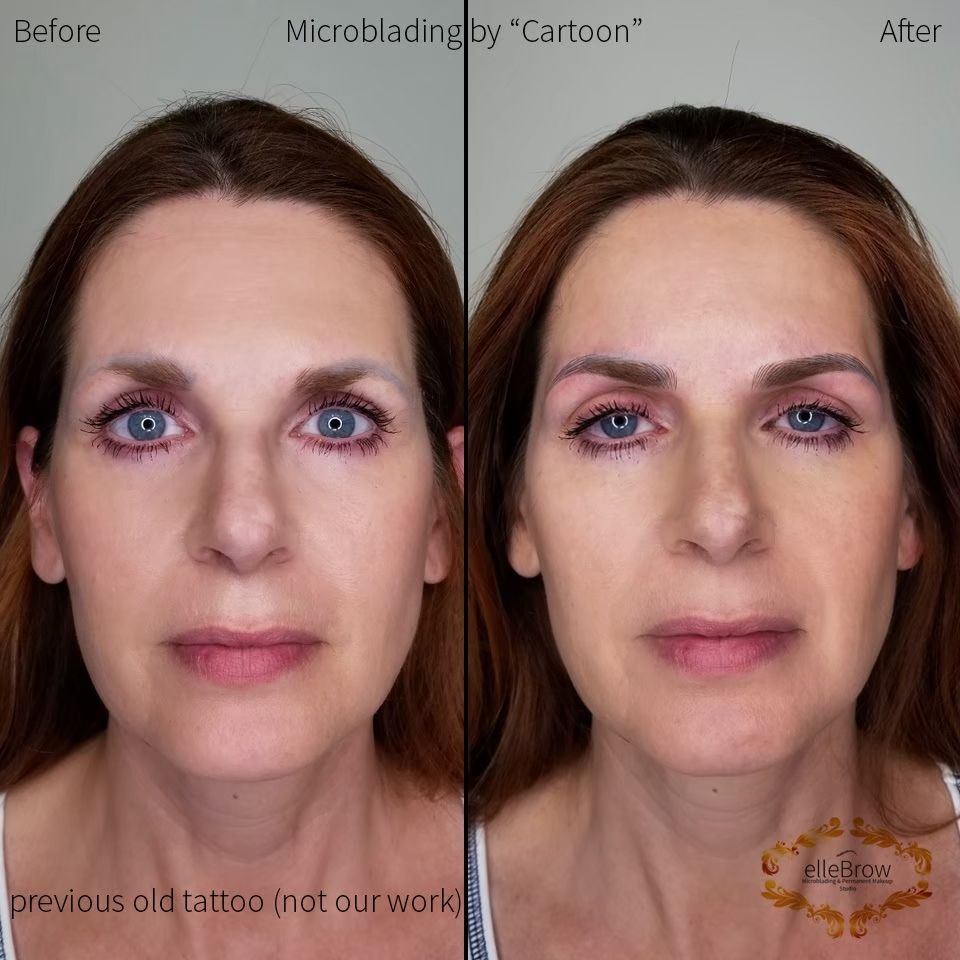
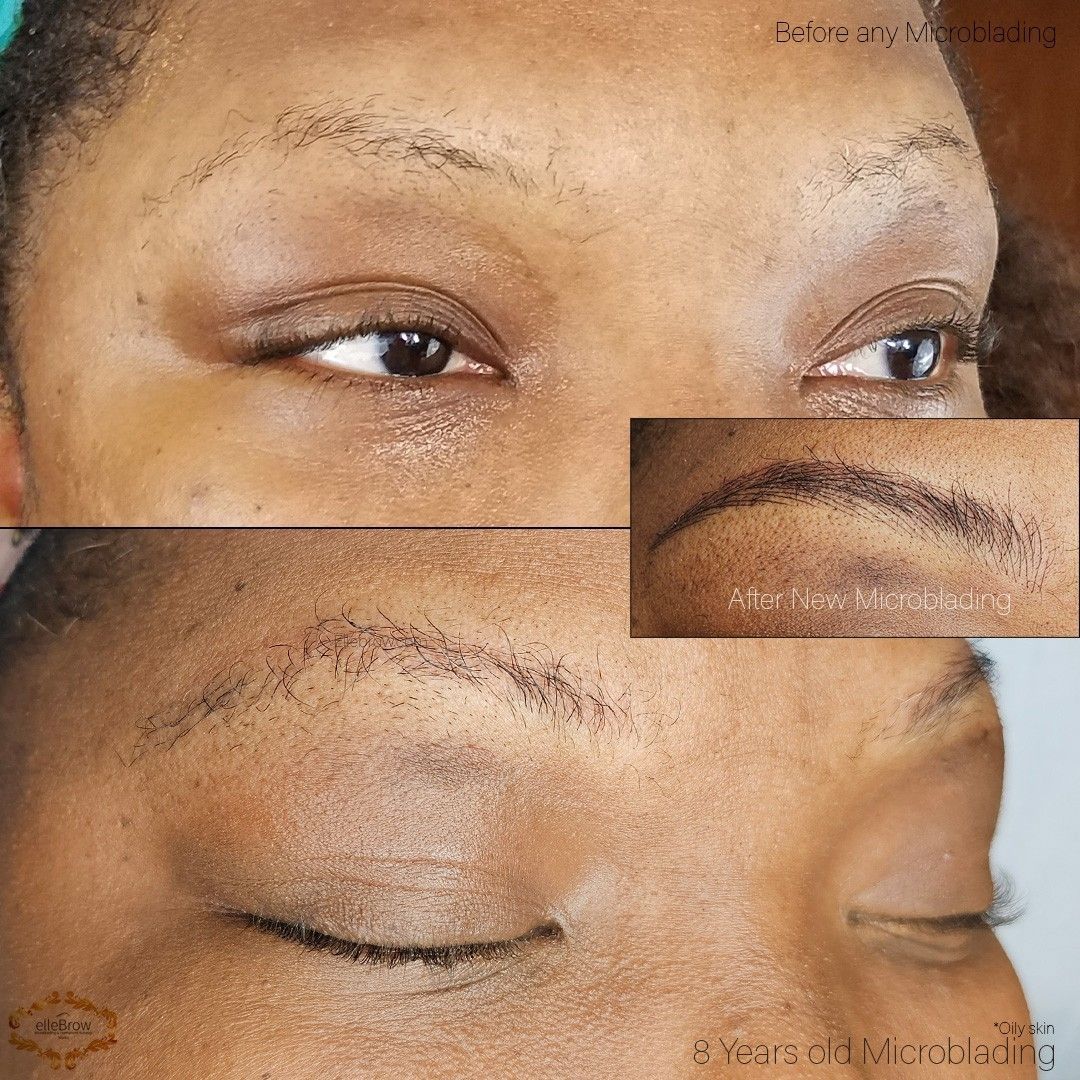
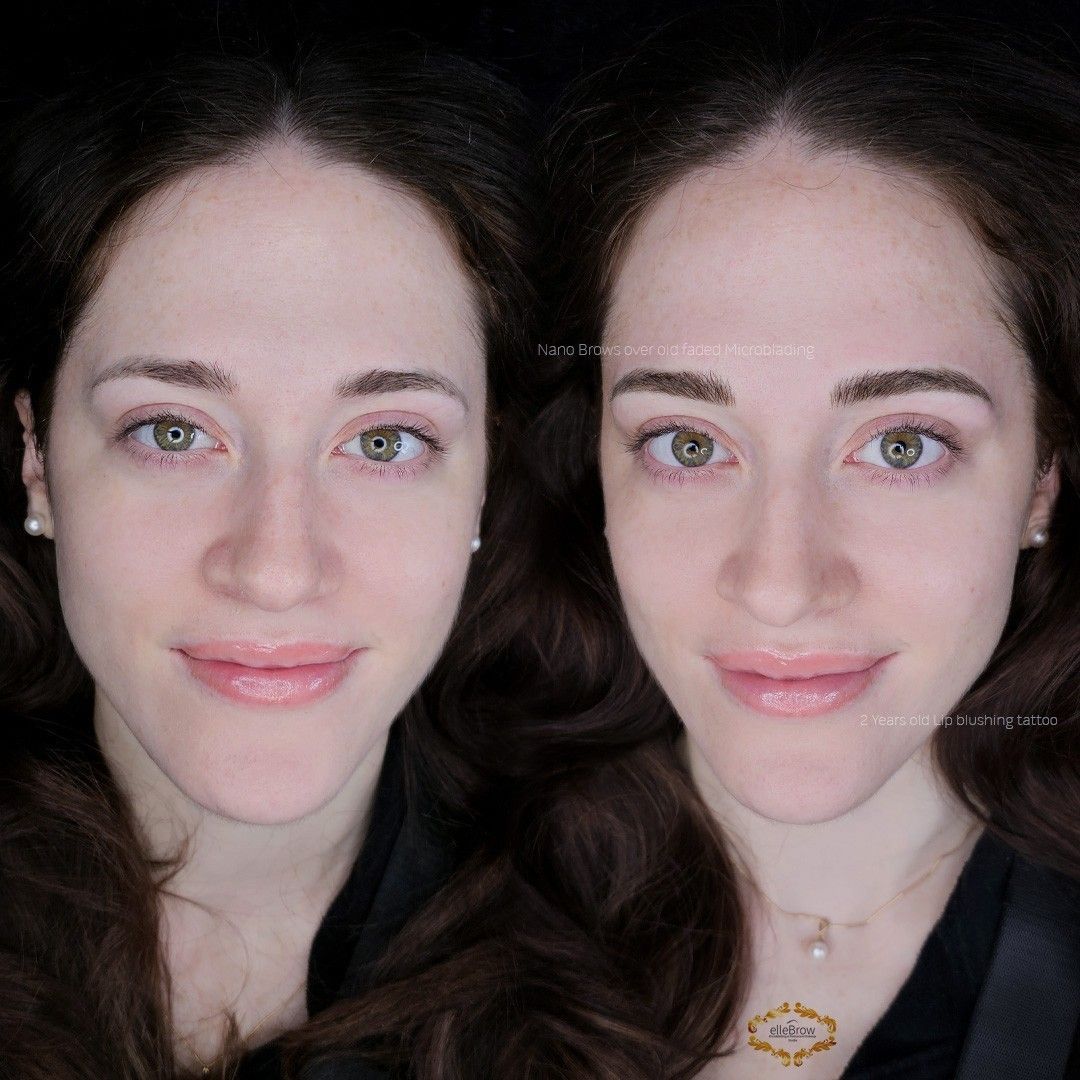
broad spectrum of results that microblading can yield in the long term (see photo example below). The outcomes are as unique as the clients themselves, influenced by an array of factors including individual skin type, the inks used, personal care routines, and even genetics. This variety in results highlights the critical need for a tailored approach to both the initial microblading procedure and its ongoing care. Acknowledging the range of possible changes encourages clients to maintain realistic expectations and underscores the value of continued consultation with professionals for enduring beauty.
What does microblading
actually look like 2 to 8 years later?
The photos below are our own clients' brows, photographed over the years (some showing older work from elsewhere that we later corrected). They help illustrate the wide range of very long-term microblading results that may be experienced, dependent on factors such as skin type, artist's technique and skill, genetics, UV exposure, and product usage, among others.
If you'd like to see newly done Before & After Photos, check out our
or our newest
Follow us on Instagram and TikTok!
If you would like to learn more about our Eyebrow Enhancement services in the
New York City Area, contact us at Ellebrow NYC today!
What Does Microblading Look Like After 5 Years?
Five years post-microblading, clients often observe various transformations in their brows. Results can vary widely due to factors like ink pigments, skin type, care regimen, and genetics. Some brows may show moderate fading, leaving a shadow or remnants of pigment. The overall shape typically remains, but color shifts to warmer or cooler tones might occur. We cannot overemphasize the broad spectrum of results that microblading can yield in the long term. The outcomes are as unique as the clients themselves.
- Fading of Pigment: A natural and expected change, the brows' intensity and definition gradually decrease over time. This fading is influenced by variables such as sun exposure and skincare routines.
- Subtle Color Shifts: Dramatic color changes are uncommon with modern microblading pigments and techniques. Clients might notice slight shifts towards warmer or darker tones, rather than drastic alterations.
- Skin Type Impact: The rate of fading can vary; oily skin or skin with a high turnover rate may see quicker fading, while drier skin might hold the pigment longer.
- Importance of Touch-Ups: Periodic touch-ups every few years can refresh and maintain the desired appearance, allowing for necessary adjustments in shape and color.
Why is there still a shadow five years after microblading?
Pigment doesn't sit loose in your skin, and it doesn't simply dissolve. Within days of the procedure some of it is shed with the surface layer or carried off through the lymphatic system, which accounts for most of the softening over the first year. What remains is taken up and held inside dermal immune cells called macrophages. Those cells hold the pigment rather than clearing it, which is why a faint shadow can persist years after the visible strokes have blurred — and why laser removal usually takes several sessions.
Why does the color shift warmer or cooler over time?
Brow pigments are blends, and the components don't fade at the same rate. As the cooler components drop out faster than the warmer ones, what's left reads warmer even though nothing changed color — you're seeing what remains, not a transformation. This is why a five-year-old brow can look reddish or grey without the original pigment having "turned." Modern formulations reduce how far this drifts, but no pigment eliminates it.
Reference
Baranska A, Shawket A, Jouve M, et al. Unveiling skin macrophage dynamics explains both tattoo persistence and strenuous removal. Journal of Experimental Medicine. 2018;215(4):1115–1133. https://rupress.org/jem/article/215/4/1115/42419/
Research on tattoo pigment describes how pigment is stored in the skin generally; it does not study permanent makeup specifically. Cosmetic pigments differ in composition and are placed more shallowly, which is why they soften on a different timeline.